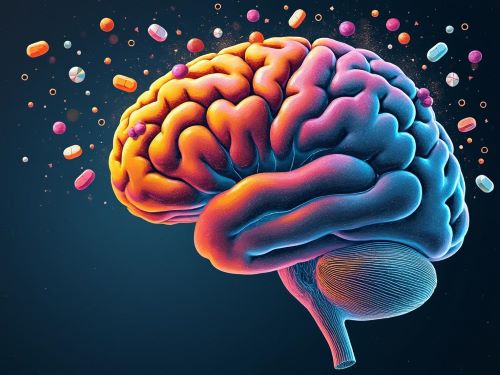
Emerging research is connecting psychotropic medications used to regulate mood and behavior in children with long-term psychological consequences in adults. Here are some key findings on how psychotropic drugs may affect the long-term psychological development of children (Brave AI, 2024):
- Neurobiological changes: Exposure to psychotropic medications during childhood and adolescence may lead to long-term changes in brain structure and function, potentially influencing future mental health outcomes. (Source: “The Neural Effects of Psychotropic Medications in Children and Adolescents” - PMC)
- Delayed and expressed effects: Research suggests that the long-term effects of drug exposure may be delayed and expressed once the vulnerable system reaches maturation (typically during adulthood). This phenomenon, known as neuronal imprinting, may impact future mental health. (Source: “The effects of Psychotropic drugs On the Developing brain (ePOD) study: methods and design” - PMC)
- Desensitization and increased risk of substance abuse: Stimulants like Ritalin may desensitize the brain, leading to an increased risk of substance abuse later in life. (Source: “The impact of prescribed psychotropics on youth” - PMC)
- Cognitive impairment: Phenobarbital has been linked to permanent negative effects on cognition. (Source: “The impact of prescribed psychotropics on youth” - PMC)
- Long-term behavioral consequences: Exposure to methylphenidate (MPH) alone in juvenile rats increases sensitivity to stress and decreases sensitivity to both natural and drug rewards in adulthood. (Source: “Life-long consequences of juvenile exposure to psychotropic drugs on brain and behavior” - ScienceDirect)
- Interaction with brain development: Psychotropic drugs may interact with brain development, potentially influencing long-term psychological outcomes. (Source: “The effects of Psychotropic drugs On the Developing brain (ePOD) study: methods and design” - PMC)
- Off-label use and increased risk: Off-label use of psychotropic medications, particularly antipsychotics, may increase the risk of adverse effects and long-term psychological consequences. (Source: “State of the Evidence for Use of Psychotropic Medications in School-Age Youth” - PMC)
It is essential to note that the evidence is emerging, and more research is needed to fully understand the long-term effects of psychotropic drugs on children’s psychological development. Additionally, individual differences, dosage, and duration of treatment may all impact the likelihood and severity of long-term effects.
Sources:
- Brave AI (2024). "How do psychotropic drugs affect the long-term psychological development of children?"
- “The Neural Effects of Psychotropic Medications in Children and Adolescents” - PMC
- “Life-long consequences of juvenile exposure to psychotropic drugs on brain and behavior” - ScienceDirect
- “The effects of Psychotropic drugs On the Developing brain (ePOD) study: methods and design” - PMC
- “The impact of prescribed psychotropics on youth” - PMC
- “State of the Evidence for Use of Psychotropic Medications in School-Age Youth” - PMC
- Note: The search results provided do not include specific dosages or treatment durations, as the focus is on the general effects of psychotropic drugs on long-term psychological development in children.